Entry Requirements
Visa requirements for Guatemala depend on which passport you hold. Check the Traveller visa tool to see whether your passport needs a visa and, if so, how long you can stay.
Check if you need a visa for GuatemalaGood to Know
- Guatemala has the largest proportion of Maya people in Central America — 40+ Maya communities with distinct languages and textiles
Currency
- Name
- Guatemalan Quetzal
- Code
- GTQ
- Symbol
- Q
- ATMs in major cities and Antigua.
- Cards accepted at tourist hotels and restaurants; carry cash for villages, markets, and lake communities.
- USD widely accepted in tourist areas.
Power Outlets
- Outlet types
- Type A, Type B
- Voltage
- 120V
- Frequency
- 60Hz
Time Zone
Local time now
- CST (UTC−6) — no daylight saving
Best Time to Visit
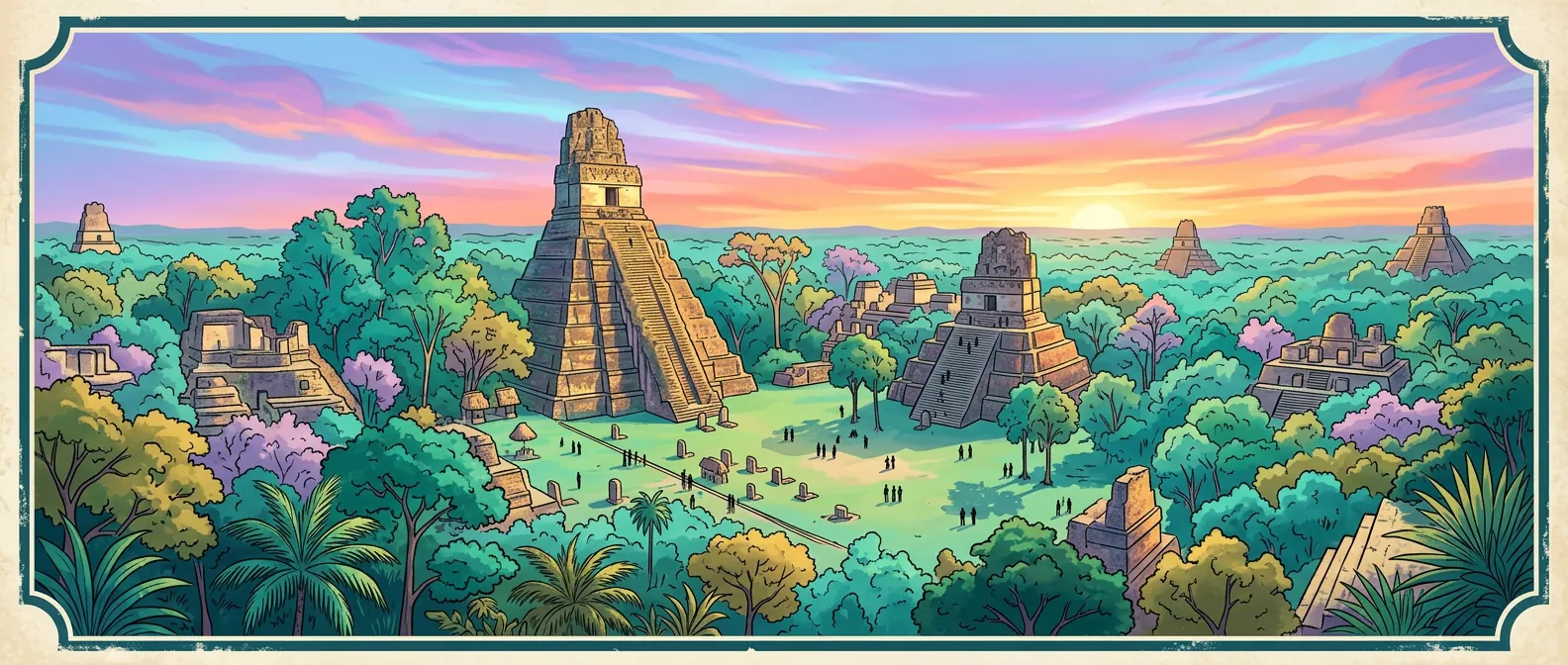
November–April is the dry season — best for Tikal (sunrise over the jungle is unforgettable), Antigua, and Lake Atitlán. May–October is rainy; the Pacific lowlands receive particularly heavy rain. Semana Santa (Holy Week) in Antigua is a spectacular cultural experience — book months ahead.
Tipping Customs
| Where | Typical | Notes |
|---|---|---|
| Restaurants | 10% | Check if included — many tourist restaurants add it automatically |
| Taxis | Agree fare before | No meters — always negotiate first |
| Tour guides (Tikal, Antigua) | $5–10 USD per tour | |
| Boat trips (Lake Atitlán) | Q10–20 |
Dress Code
What "modest dress" usually means
Shoulders and knees covered, nothing tight or sheer, no low-cut tops, no visible underwear or midriff. In most places this is a social expectation rather than a legal rule.
- Casual throughout
- Modest dress in Maya villages and at churches — many Maya communities prefer visitors not to expose bare shoulders or shorts
- Climbing active volcanoes (Pacaya, Santa María) requires practical outdoor gear
- Antigua's cobblestone streets require comfortable shoes
Loose, breathable fabrics work best in warm climates.
Social Etiquette
- Always ask before photographing indigenous people or ceremonies — many dislike being photographed
- Guatemalans are soft-spoken and formal — aggressive bargaining is not appreciated
- The 36-year civil war (1960–1996) and its aftermath shape many communities — be sensitive about Guatemalan history
Local Laws
Laws change. Verify current rules with your country's official travel advisory before departure.
- Drug trafficking carries extremely severe sentences
- LGBTQ+ activity is not criminalised but social attitudes are conservative — exercise discretion
- Armed robbery is a real concern in some areas — check travel advisories, use registered tour operators, and avoid night travel on isolated roads
- Carry your passport or a certified copy — police checks occur