Einreisebestimmungen
Visa requirements for Mexico depend on which passport you hold. Check the Traveller visa tool to see whether your passport needs a visa and, if so, how long you can stay.
Prüfen, ob Sie ein Visum für Mexico benötigenNotrufnummern
- Touristenpolizei
- +52 55 5207 4155 (Mexico City)
- Tourist Police WhatsApp (Mexico City)
- +52 55 4891 1166
Währung
- Name
- Mexican Peso
- Code
- MXN
- Symbol
- $
- ATMs widely available throughout the country.
- Cards accepted in cities and tourist areas.
- Cash preferred in markets, smaller towns, and for street food.
- USD accepted in border areas and some tourist spots but at poor exchange rates.
Steckdosen
- Steckdosentypen
- Type A, Type B
- Spannung
- 127V
- Frequenz
- 60Hz
Zeitzone
Ortszeit jetzt
- Multiple zones: most of Mexico CST (UTC−6)
- Pacific Coast MST (UTC−7)
- Quintana Roo (Cancún) EST (UTC−5) — no DST in Quintana Roo and Sonora
Beste Reisezeit
November–March is the dry season and Mexico's high season: on the Caribbean coast that means 13–21mm of rain a month against 77mm in October, and inland it is the best stretch for hiking in Oaxaca and for whale watching off Baja, which peaks in February. May–June and September–November are the two low seasons, when prices drop. May is the hottest month — average highs of 35°C in Mérida, 30°C in Guadalajara and Oaxaca City, but only 26°C in Mexico City, which sits at 2,240m and stays mild year-round. The rains and the hurricane season both start in June and run to November, with the highest risk August–October and poor Caribbean diving visibility in September. Skip the Riviera Maya in high summer, when heat, sargassum seaweed and domestic holidaymakers all peak — the Pacific coast never gets sargassum. Plan around Semana Santa (March or April), when inland cities shut down and Easter fares can double, and Día de Muertos at the start of November, with Oaxaca City the epicentre.
Monthly climate · capital city
Tauchen
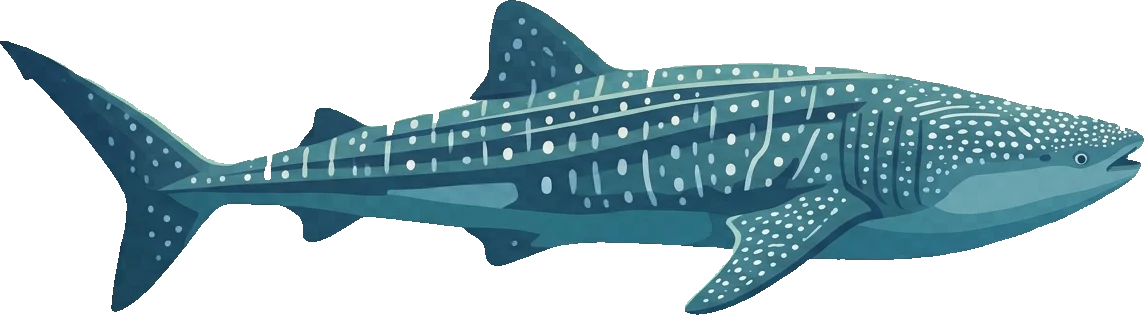
Cozumel's drift dives run over coral gardens and swim-throughs with turtles, eagle rays and nurse sharks. Playa del Carmen has bull sharks November to March under strict guide protocols, and Cancún's MUSA sculpture museum sits at 8m. Whale sharks gather off Isla Mujeres June to September — snorkel only.
- Water
- 26–29°C
- Visibility
- 24–30m
- Best
- Dec–Apr
- Level
- Beginner
Trinkgeldsitten
| Where | Typical | Notes |
|---|---|---|
| Restaurants | 10–15% | Standard — 15% for good service |
| Taxis (official, with meters) | Round up; not strictly required | |
| Porters / hotel staff | 20–50 MXN per service | |
| Tour guides | 10–15% of tour cost |
Dresscode
- Mexico is more formal than most visitors expect — people dress carefully, clothes pressed and grooming deliberate, and scruffy travel gear stands out
- Shorts read as beachwear. Inland, in Mexico City and Oaxaca especially, long trousers or a skirt are the norm and shorts mark you out instantly as a tourist
- Never wear shorts into a church; cover arms and legs at churches and cathedrals
- Bare midriffs and low necklines attract unwanted attention, particularly in rural areas and smaller towns
- Swimwear is for the beach and pool only, not for walking into town
- Lightweight cotton beats denim, which is hot and slow to dry. Pack layers for the highlands — Mexico City sits at 2,240m and evenings turn cold year-round
- Smart casual for Mexico City's Polanco and Roma Norte restaurants
Lockere, atmungsaktive Stoffe sind in warmen Klimazonen am besten.
Gesellschaftsetikette
- Mexican culture is deeply warm, family-centred, and proud — the ancient civilisations (Aztec, Maya, Olmec, Zapotec) are a living cultural inheritance, not just a tourist attraction
- Greet people individually rather than addressing a group. Men shake hands on arrival and departure, close friends exchange an abrazo, and women usually greet with a hug and a kiss on the cheek
- Use the formal usted with strangers and anyone older; tú is for friends. Professional titles matter — if someone introduces themselves as Licenciado, Ingeniero or Arquitecto, mirror that formality back
- Time is held loosely: a social invitation for 8pm realistically means 8:30 or later. If something genuinely must start on time, Mexicans call it hora inglesa, 'English time'
- Lunch is the main meal, eaten between about 2pm and 4pm, and a proper one runs to two hours. Whoever extends the invitation pays — splitting the bill is not usual outside close friends and family
- Stand closer than you might at home, and keep your hands visible — hands on hips reads as aggressive, hands in pockets as rude. Say con permiso when passing someone or leaving a table
- Politeness and patience are the whole game. Visible impatience or anger loses you the room, and people may quietly stop helping you; a few words of Spanish, however basic, are received as real respect
Lokale Gesetze
Gesetze ändern sich. Überprüfen Sie die aktuellen Vorschriften bei den offiziellen Reisehinweisen Ihres Landes vor der Abreise.
- Possession and trafficking of any illegal drug is a federal offence, carrying fines or imprisonment; cartel activity is a real risk in specific regions — check your government's current advisory for individual states (Sinaloa, Guerrero, Michoacán and Colima have all seen significant activity)
- Firearms and weapons are illegal — a particular trap for anyone driving in from the US, where the same items are lawfully owned at home
- Vapes are banned outright: you cannot bring one in by air, land border or cruise, and selling or advertising them carries one to eight years in prison. Smoking and vaping are also prohibited in all public spaces under the Ley General para el Control del Tabaco — beaches, parks, hotels, restaurants, bars and public transport — with fines for breaching it
- You must hold a valid tourist card (FMM) or resident visa for your whole stay; overstaying it is an immigration offence
- Drink-driving is a serious crime and foreigners get no leniency — cause an accident while over the limit and you should expect to be jailed
- Being drunk and disorderly in public is an offence
- Foreigners should stay out of political activity, including demonstrations and protests — taking part can get you removed from the country
- Any boat carrying fishing gear in Mexican waters needs a valid fishing licence for every person on board
- Drones: visitors can only fly models under 250g, because registering anything heavier needs Mexican ID. Fly in daylight, below 400ft, within sight, 9.2km clear of airports and never over people — and never at all over archaeological sites, Chichén Itzá included
- Holiday photos are fine, but professional photography or filming at INAH archaeological sites needs authorisation in advance — a tripod and pro kit alone can require a permit, with fees up to about 10,900 pesos a day
- LGBTQ+ rights: Mexico City and many states have marriage equality; overall one of the more progressive countries in Latin America, though attitudes vary by region